.png)
Innovative Creative Design Solutions
- rovitss
- Jul 15, 2025
- 4 min read

In a world where visual communication is paramount, innovative design solutions are more crucial than ever. From branding to user experience, the way we visually express ideas can make or break a project. As technology advances, so does our approach to creative design. This post will explore innovative design solutions that are shaping the industry and provide insights into how designers can leverage these trends to stay ahead.
Innovative Design Solutions
As we delve into the realm of innovative design solutions, it's essential to understand what these solutions encompass. Innovative design solutions refer to thoughtful and unique approaches to visual challenges that prioritize creativity while addressing user needs. With tools like 3D printing, augmented reality, and AI-powered design software, designers are equipped to create experiences that captivate audiences.
An excellent example of innovative design solutions is the application of augmented reality in retail. Brands like IKEA have successfully used AR apps to help customers visualize furniture in their homes before purchasing. This not only enhances the customer experience but also reduces return rates— a significant challenge in the online retail space.

Moreover, interactive web designs have made waves in improving user engagement. Websites that incorporate dynamic elements such as scrolling effects or animated graphics are more likely to keep visitors interested. According to a recent study, interactive content can increase user engagement by up to 300%. This is a potent tool for any designer looking to enhance their projects.
Incorporating User-Centric Design
User-centric design is fundamental to developing innovative design solutions. It's about understanding the users’ needs, preferences, and behaviors, and creating designs that resonate with them. To achieve this, designers utilize techniques like user personas and journey mapping.
For instance, when designing a new mobile app, a designer could conduct surveys or interviews to determine what users find frustrating in existing apps. By identifying these pain points, designers can create a more intuitive and seamless experience that meets user expectations. Research indicates that usability improvements can lead to an increased satisfaction rate of over 70%, highlighting the significance of user-centric approaches.
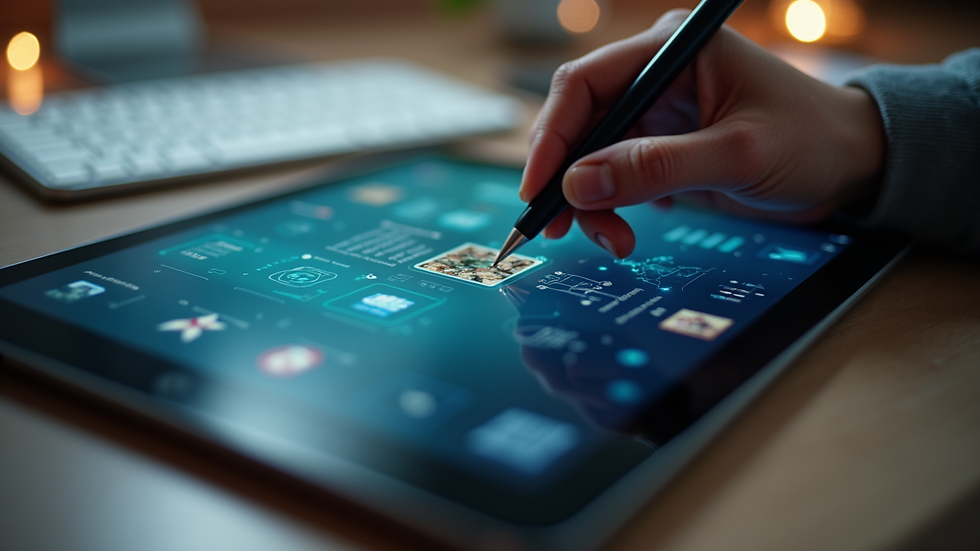
How much should I charge for my design services?
Determining how much to charge for design services can feel tricky, especially for freelancers and independent designers. Rates can vary significantly based on experience, skill level, project complexity, and market demand.
A good starting point is to research the average rates charged by fellow designers in your area or field. According to the Freelance Design Report, freelance designers typically charge between $50 and $150 per hour, depending on their expertise and the service offered. For more specialized services, such as branding or UX design, rates can rise significantly.
It's essential to consider your value proposition as well. If you offer innovative design solutions that surpass standard industry offerings, don't shy away from pricing yourself accordingly. Be clear about what makes your services unique, and potential clients will understand the investment's value.
The Importance of Sustainability in Design
In today’s climate-conscious world, sustainable design has become a significant trend. Consumers increasingly prefer brands that prioritize sustainability in their practices, making it essential for designers to integrate eco-friendly considerations into their work.
For example, using sustainable materials in product design or implementing energy-efficient practices in graphic design can appeal to a growing demographic of environmentally responsible consumers. According to recent surveys, over 70% of consumers are willing to pay more for products that support sustainable practices. Additionally, incorporating sustainability into your design services can set you apart from competitors, adding to your innovative solutions toolkit.

The Future of Innovative Design Solutions
As we look to the future, several emerging technologies promise to revolutionize the design landscape further. Virtual reality (VR) is already being used in architectural visualization, allowing clients to walk through their spaces before they are built. This type of immersive experience sets a new standard for understanding designs, reducing miscommunication, and enhancing client satisfaction.
Artificial intelligence has also begun influencing the design process, allowing for automated design suggestions based on user input. This technology provides designers with a robust new tool for inspiration and efficiency, freeing them to focus more on the creative aspects of their work.
In summary, innovative design solutions will continue to evolve, driven by technological advancements and a deeper understanding of user needs. Designers who adapt to these changes and embrace innovative methods will position themselves at the forefront of their industry.
Final Thoughts on Innovative Design Solutions
The field of design is continually changing, making it both an exciting and challenging profession. By staying informed and adaptable, designers can leverage innovative design solutions to enhance their work and meet ever-growing client expectations.
Remember that each project presents a unique opportunity to experiment and push creative boundaries. Always be open to exploration and innovation. Utilizing approaches like sustainability, user-centric designs, and emerging technologies can significantly improve your design services, helping you stand out in this competitive market.
Ultimately, whether you are a seasoned designer or just starting, the key to success lies in your ability to innovate and adapt. So, embrace these innovative design solutions, and you'll not only stay relevant but thrive in the ever-evolving design landscape.


Comments